
Pretty In Pilsen
By: Rosa Delia Mendoza
In Chicago's Lower West Side, beauty is measured in memory, murals, and the people who refuse to let a neighborhood lose its soul + city guide suggestions ⇢⚡️
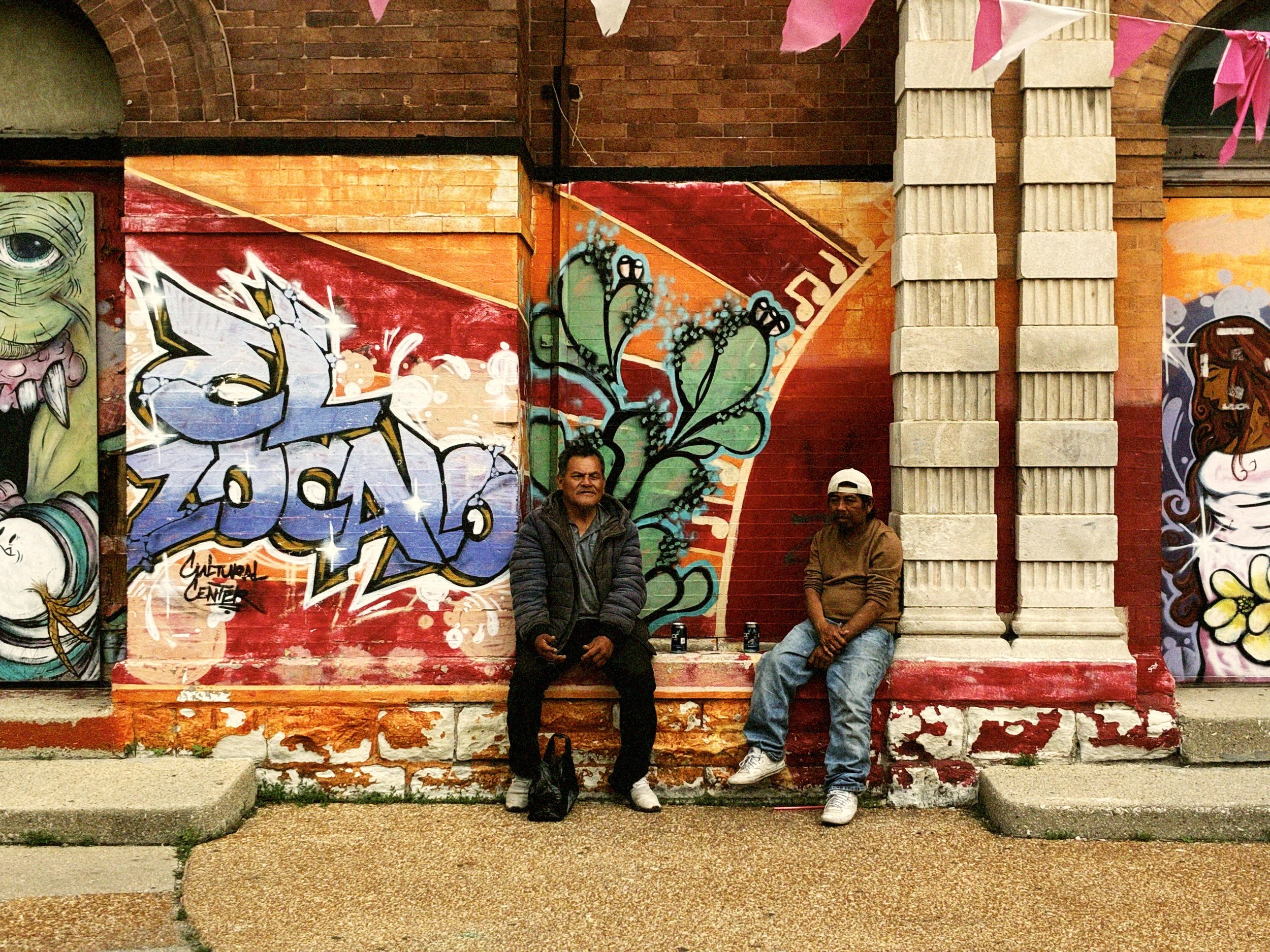
Men, Photo by: Rosa Delia Mendoza
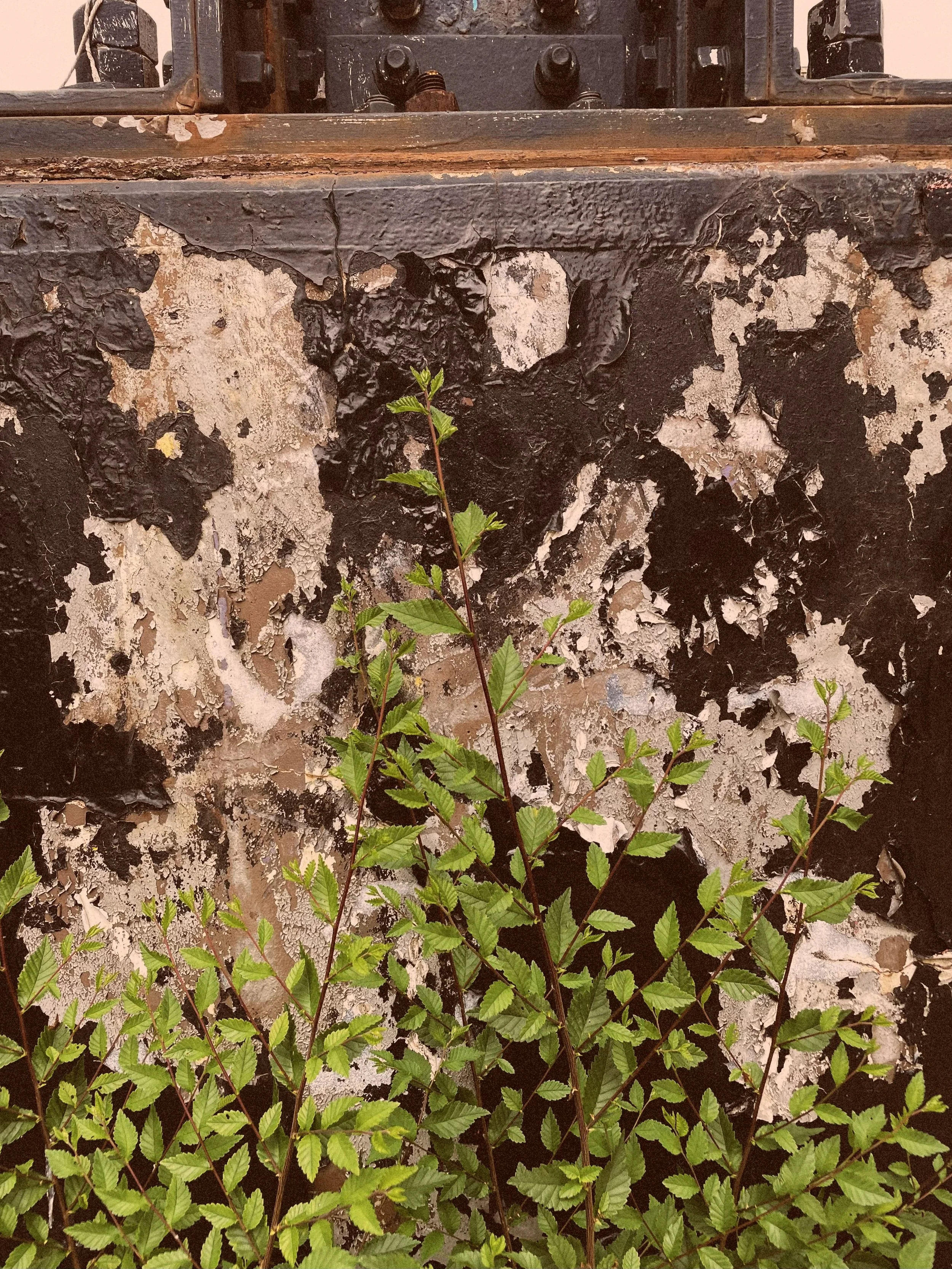
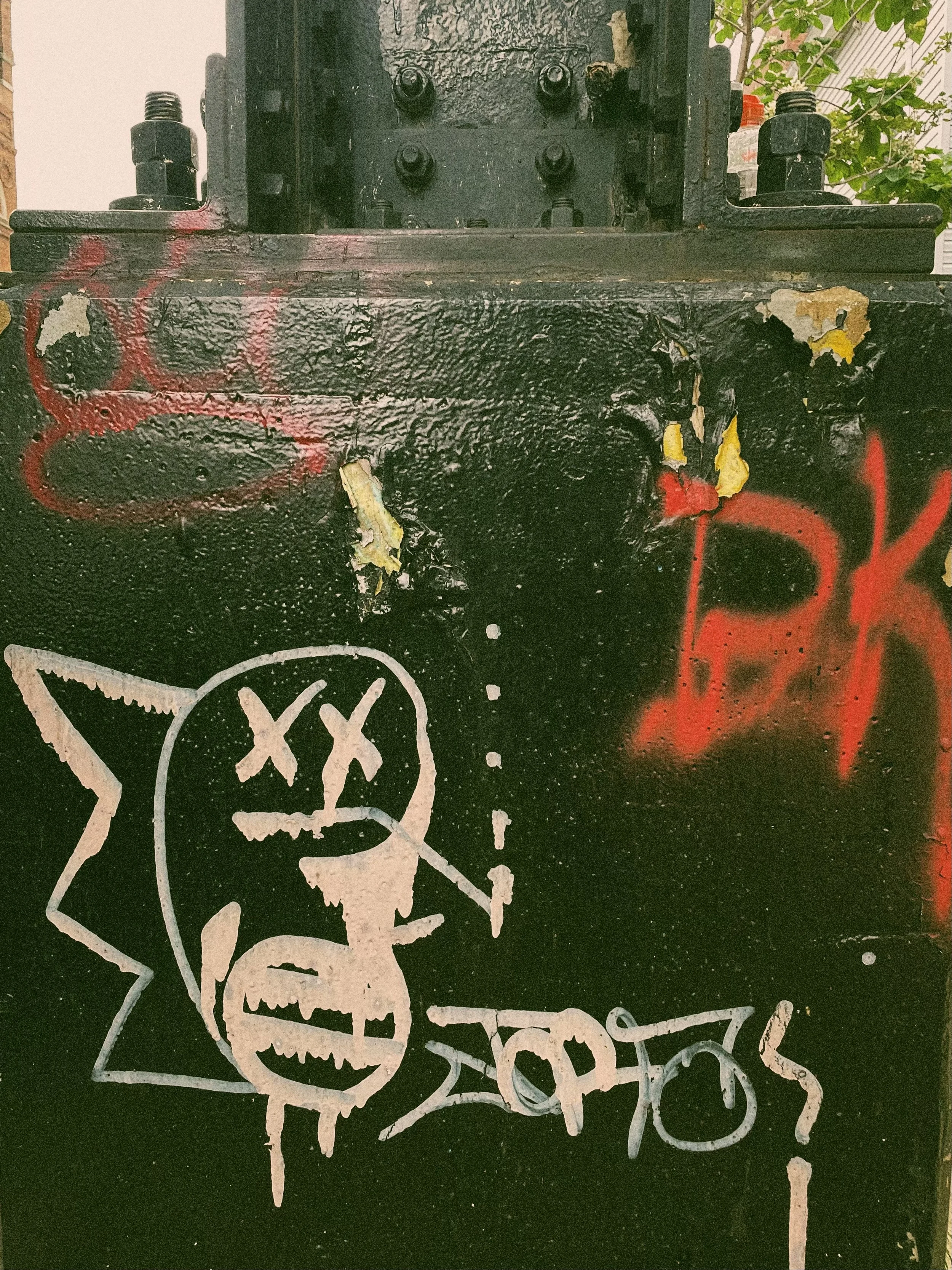
Pilsen isn't beautiful because some bureaucrat in a city meeting decided it should be. It's beautiful because the people made it that way. In Pilsen, beauty isn't polished. It lives in layers of chipped paint beneath highway overpasses, where decades of graffiti tags quietly mock the city's failed attempts to keep Chicago sterile.
A walk through Pilsen smells like fresh tortillas drifting from a rent-controlled apartment. It looks like a grandmother watering flowers on her front stoop while watching her children's children and sounds like express trains rattling overhead. To your left are teenagers carrying canvases instead of backpacks. To your right, you hear the sound of musicians rehearsing through open windows, coexisting with generations of families who have refused to let their neighborhood lose its soul.
To walk through Pilsen is to understand that culture isn't something displayed behind museum glass. It lives in panaderías before sunrise, record shops filled with neighborhood recommendations, galleries tucked into former storefronts, community gardens, and restaurants where recipes have been passed down through generations.
But beauty here exists alongside tension.
Luxury apartments rise within sight of murals honoring immigrant resilience. New cafés open beside businesses that have served the community for decades. Investment isn't the problem—displacement is. Every new development asks the same question: Who gets to stay long enough to enjoy what they've built?
Perhaps that's what makes Pilsen so compelling. It asks visitors to appreciate more than aesthetics. It asks them to recognize history, community, and the people whose daily lives transformed ordinary streets into one of Chicago's most culturally significant neighborhoods. Pilsen isn't simply pretty. It's resilient. It's creative. It's complicated. And like your author… that's exactly what makes it beautiful.
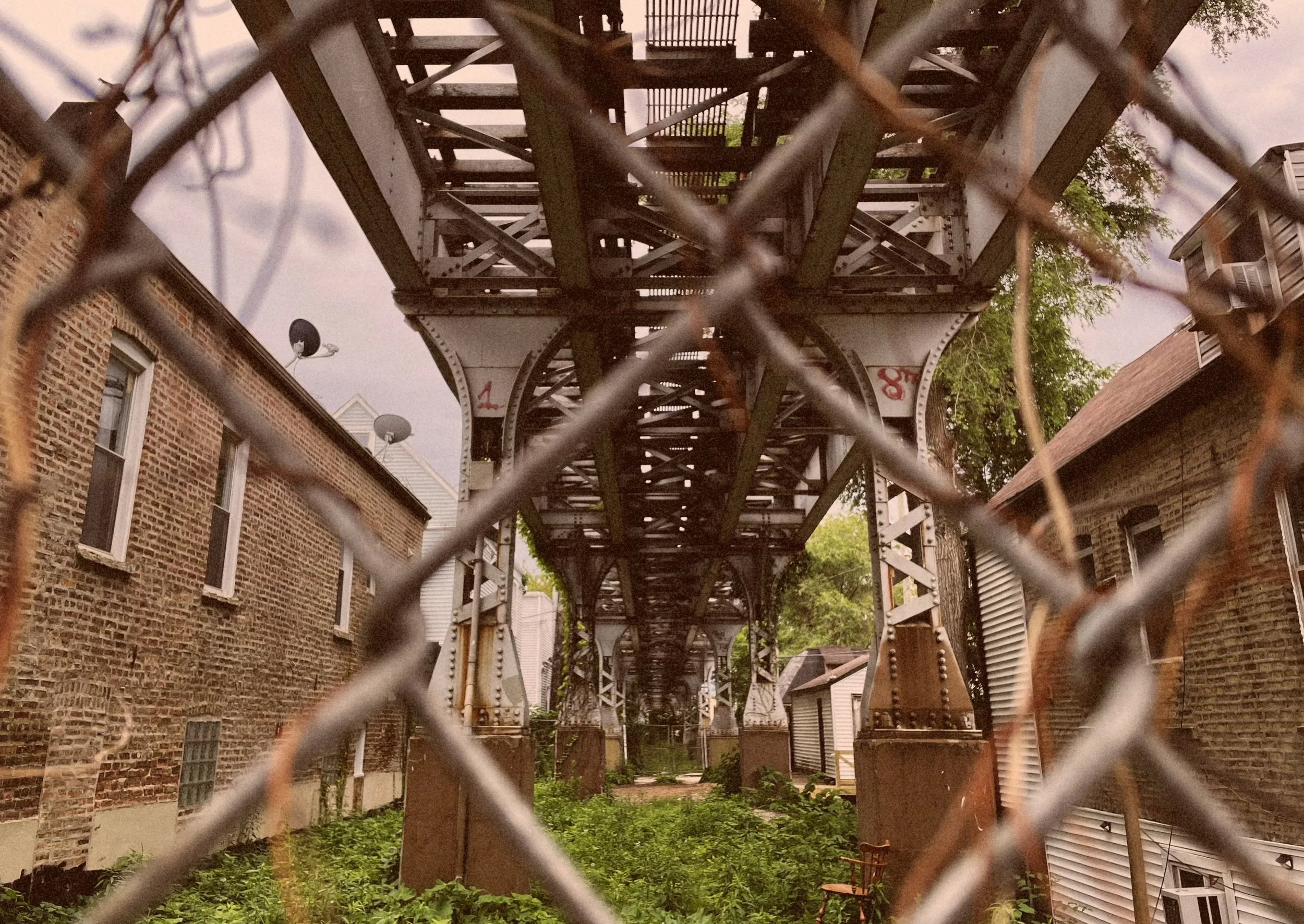
Chair Under A Bridge, Photo By: Rosa Delia Mendoza
A Neighborhood Built by Immigrants
Long before Pilsen became synonymous with Mexican culture, it was a neighborhood shaped by immigrants looking for opportunity. In the mid-1800s, German and Irish workers settled the area as Chicago rapidly expanded through industry, railroads, and manufacturing. After the Great Chicago Fire of 1871, thousands of Czech immigrants made the neighborhood their home, naming it after Plzeň—known in English as Pilsen—a city in what is now the Czech Republic. They built churches, schools, social halls, and the beautiful brick architecture that still defines much of the neighborhood today.
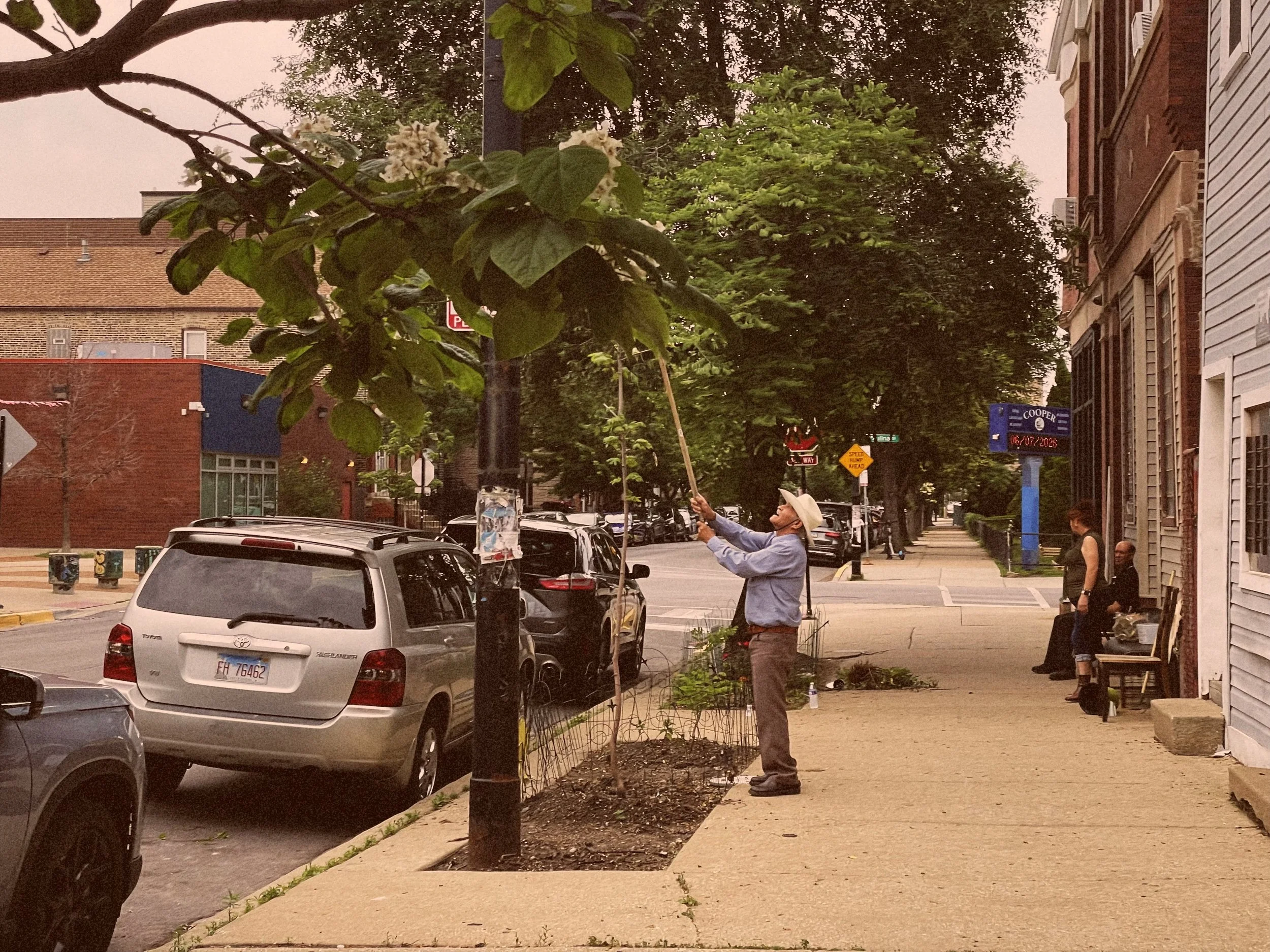
Lucelio and the Maple Tree, Photo By: Rosa Delia Mendoza
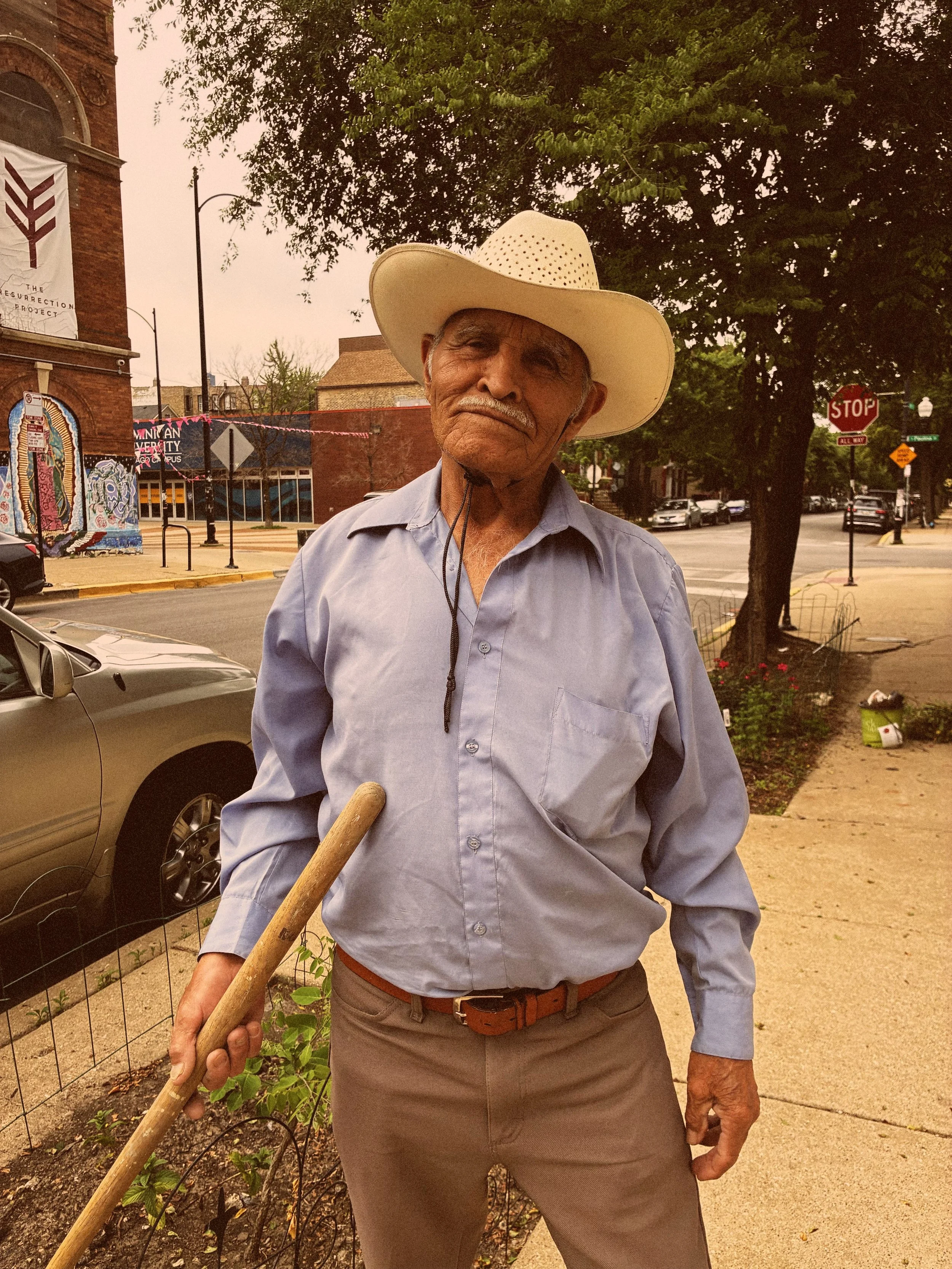
Lucelio, Photo: Rosa Delia Mendoza
The story of Mexican Pilsen begins only a few miles away.
During the early twentieth century, Mexican workers came north to Chicago seeking employment in railroads, stockyards, steel mills, and factories. Many families first settled on the Near West Side, where neighborhoods flourished around churches, businesses, and community organizations.
Everything changed in the 1950s and 1960 when federal urban renewal projects and the construction of the Eisenhower Expressway and the University of Illinois Chicago displaced thousands of Mexican families from their homes. Looking for affordable housing nearby, many crossed the river into Pilsen, where Czech families had begun moving elsewhere. What followed wasn't simply relocation. It was transformation.
Families opened bakeries, taquerías, grocery stores, bookstores, and small businesses. Artists turned brick walls into living history books. Community leaders created institutions dedicated to preserving Mexican art, language, and culture. Festivals spilled into the streets. Music poured from open windows. New traditions grew alongside old ones.
Today, Pilsen tells more than one immigrant story. Czech churches stand frame murals celebrating Indigenous ancestry, labor rights, migration, and family. Rather than replacing one culture with another, each generation added another layer to the neighborhood's identity. That layered history is what makes Pilsen extraordinary.
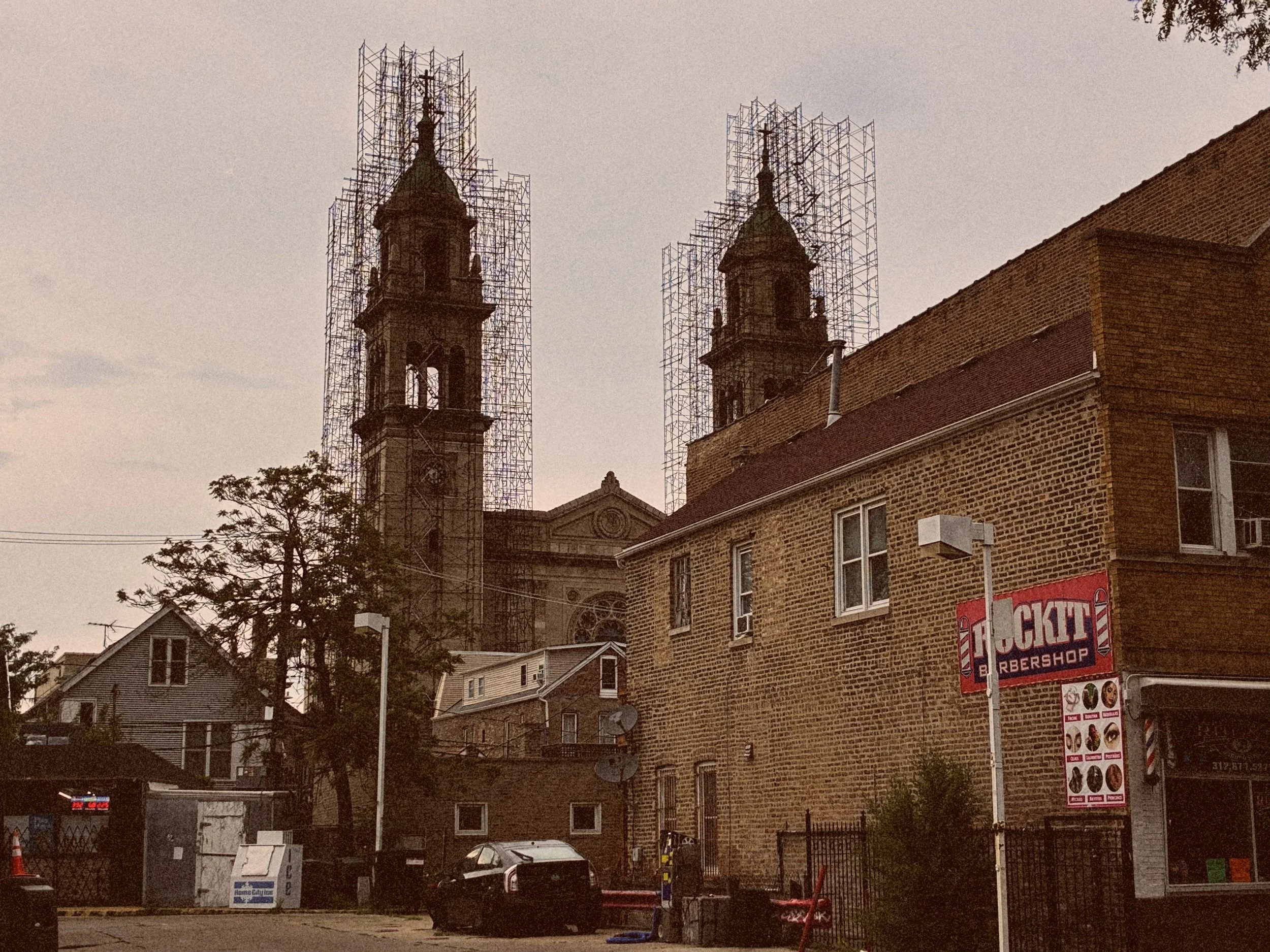
Rebuild, Photo By: Rosa Mendoza
Things To Do In PilsenTake A Promenade
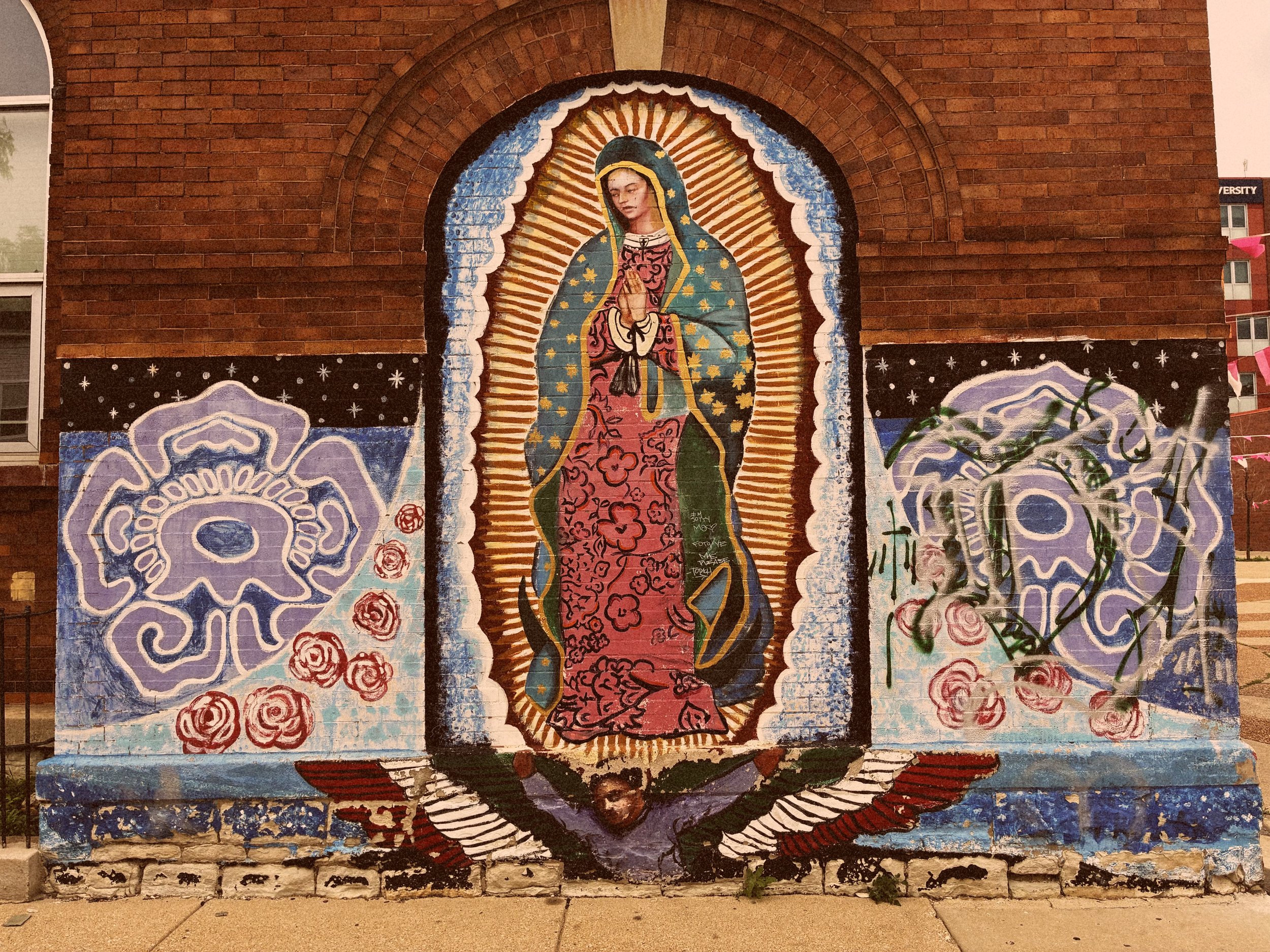
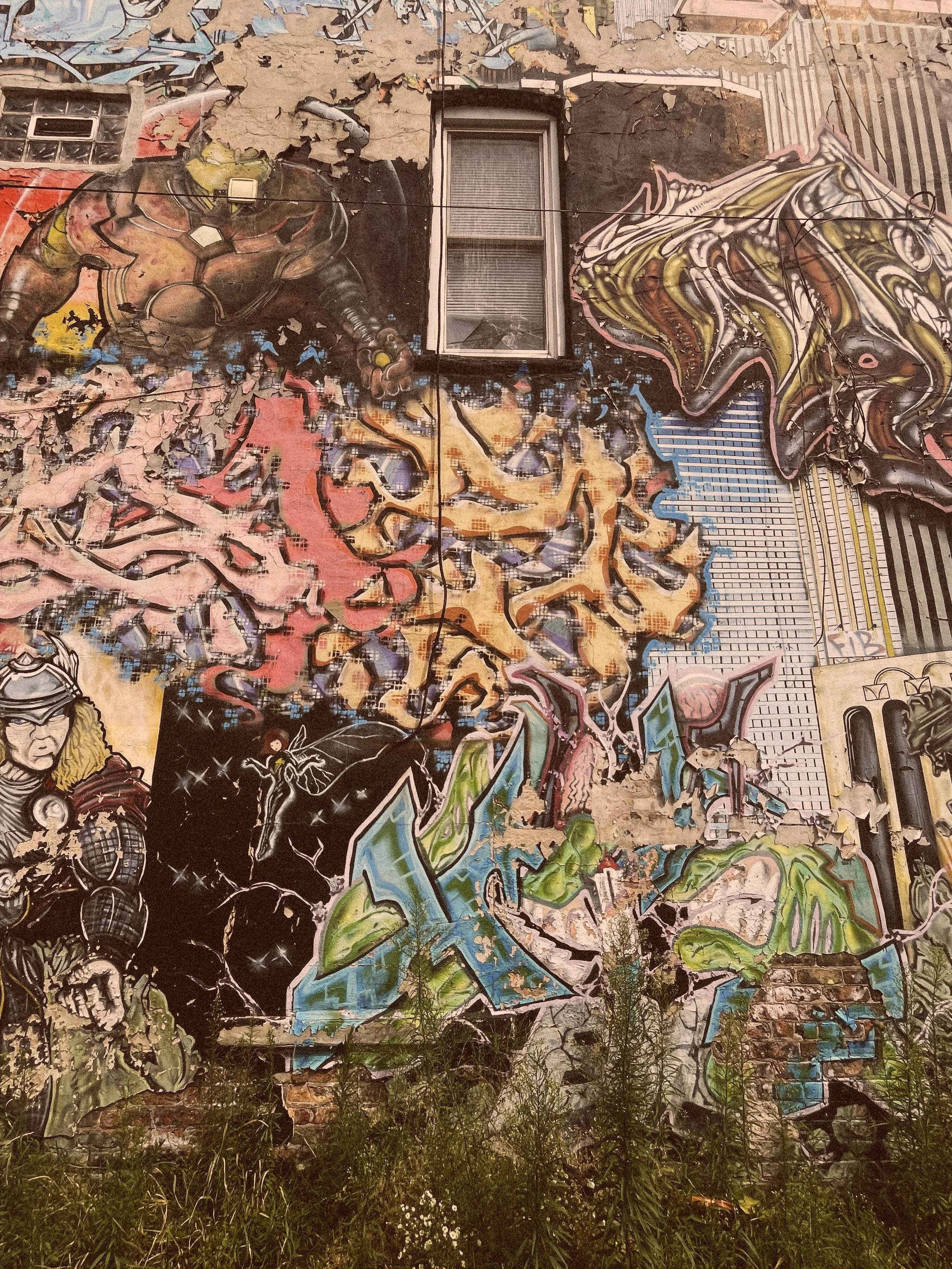
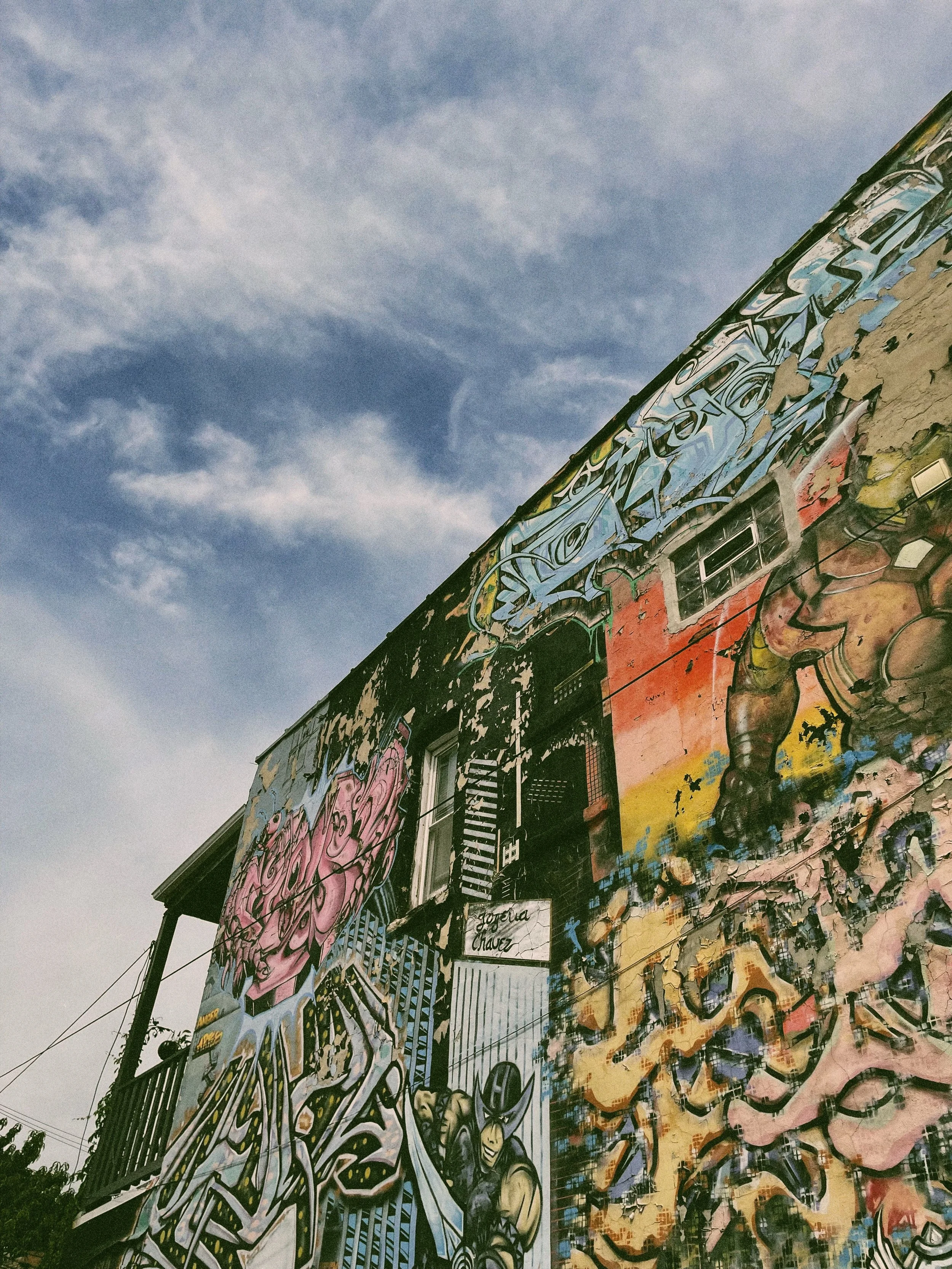
For decades, Chicago's Lower West Side has been shaped by immigrants, laborers, artists, organizers, musicians, and families whose stories are painted directly onto brick walls. Every mural feels less like decoration and more like a living archive—a reminder of where people came from, what they've survived, and what they continue to protect.
If museums preserve history, then Pilsen's streets might be one of Chicago's largest open-air museums. Murals stretch across schools, apartment buildings, viaducts, and storefronts. They tell stories that textbooks often overlook—stories of migration, Indigenous roots, civil rights, faith, labor movements, and community resistance.
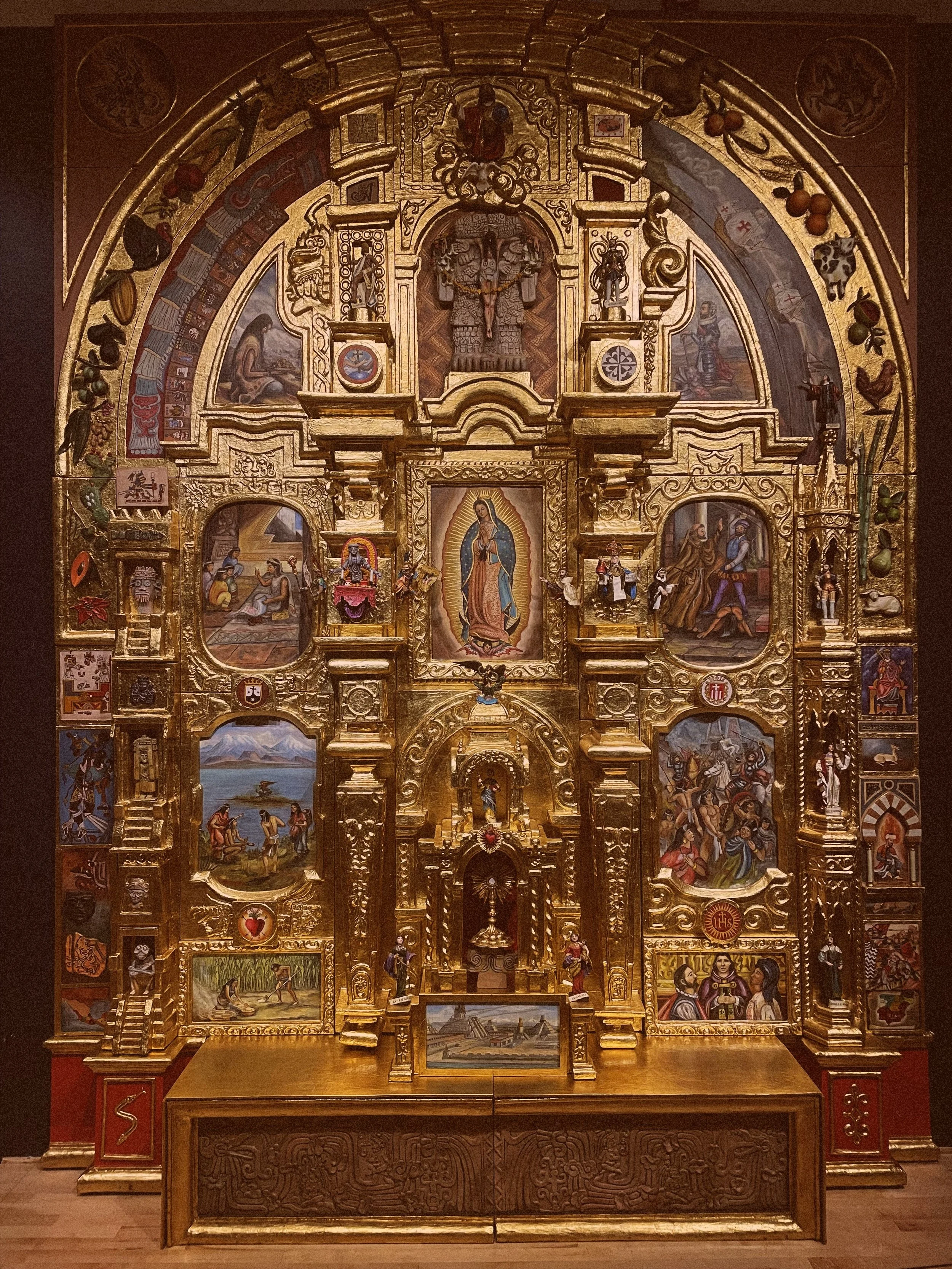
The National Museum of Mexican Art
One of the country's premier institutions dedicated to Mexican and Mexican-American art, the museum offers free admission and a remarkable collection that spans ancient traditions to contemporary voices. More than a museum, it's a celebration of identity, creativity, and cultural preservation.
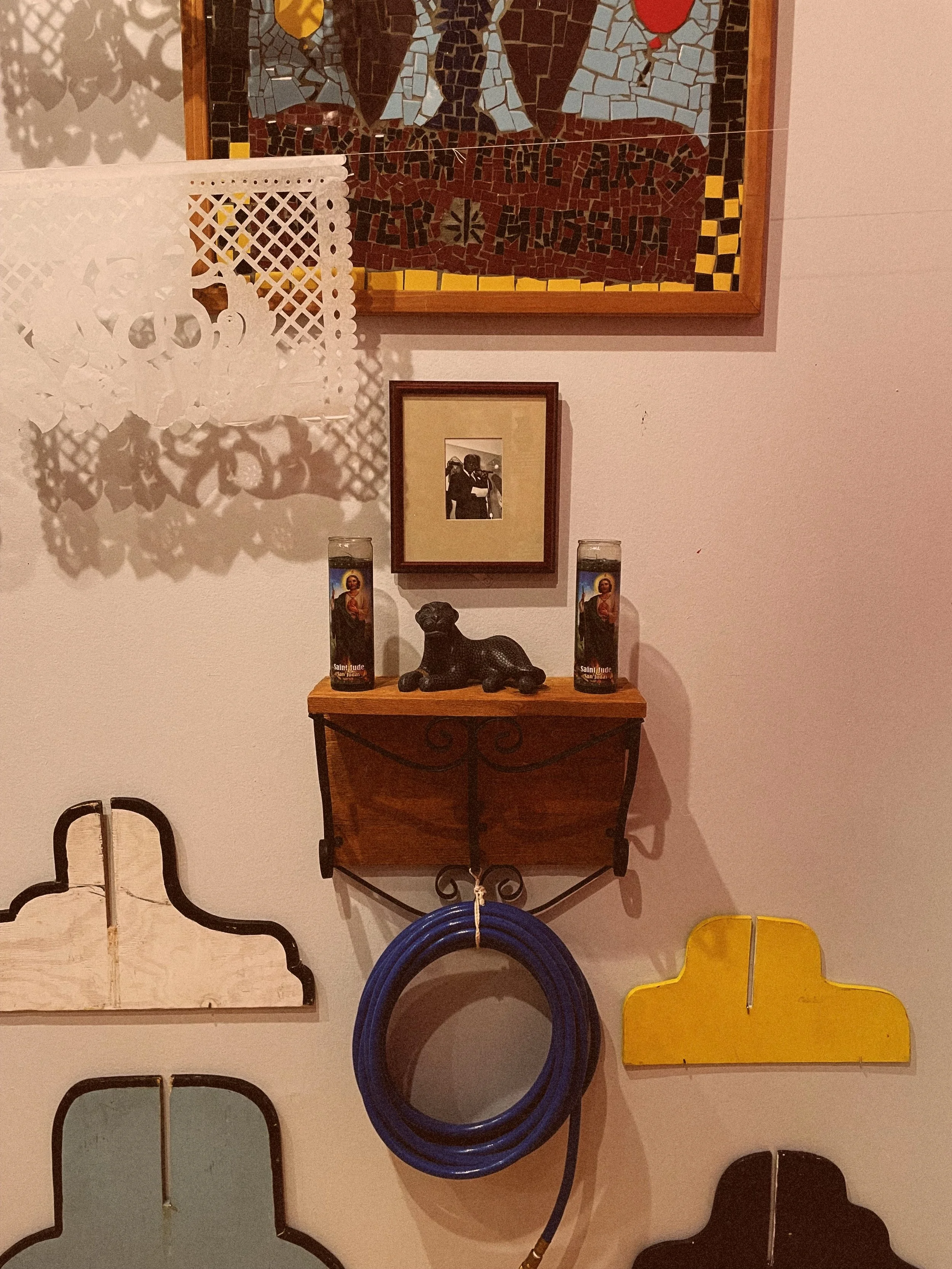
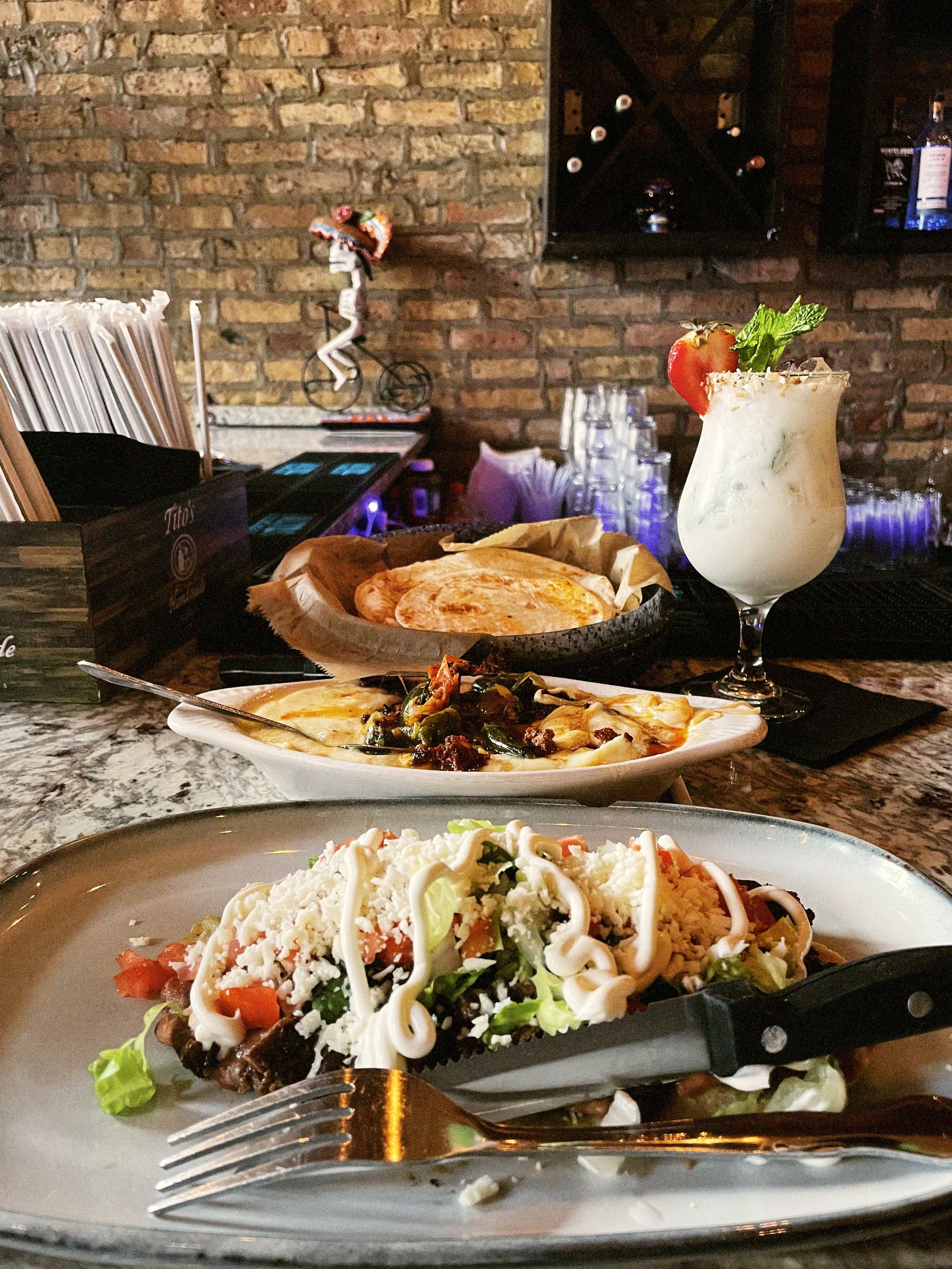
The first time I walked into this bar, I realized that Pilsen is Chicago's Mexican Washington Heights. The energy is familiar: deeply rooted in community, effortlessly cool, and always just one song away from turning into a party. The vibe is laid-back, but don't let that fool you—at any moment the room can come alive with people from all walks of life gathering over great food, strong drinks, and an even better playlist. Whether you're stopping by for a late-night hang or settling into a slow weekend afternoon, this spot is a must while you're in Pilsen.
Come for the huaraches, additive free tequila flights and delicious tortas. Stay for the wings and the Coco Gordo.
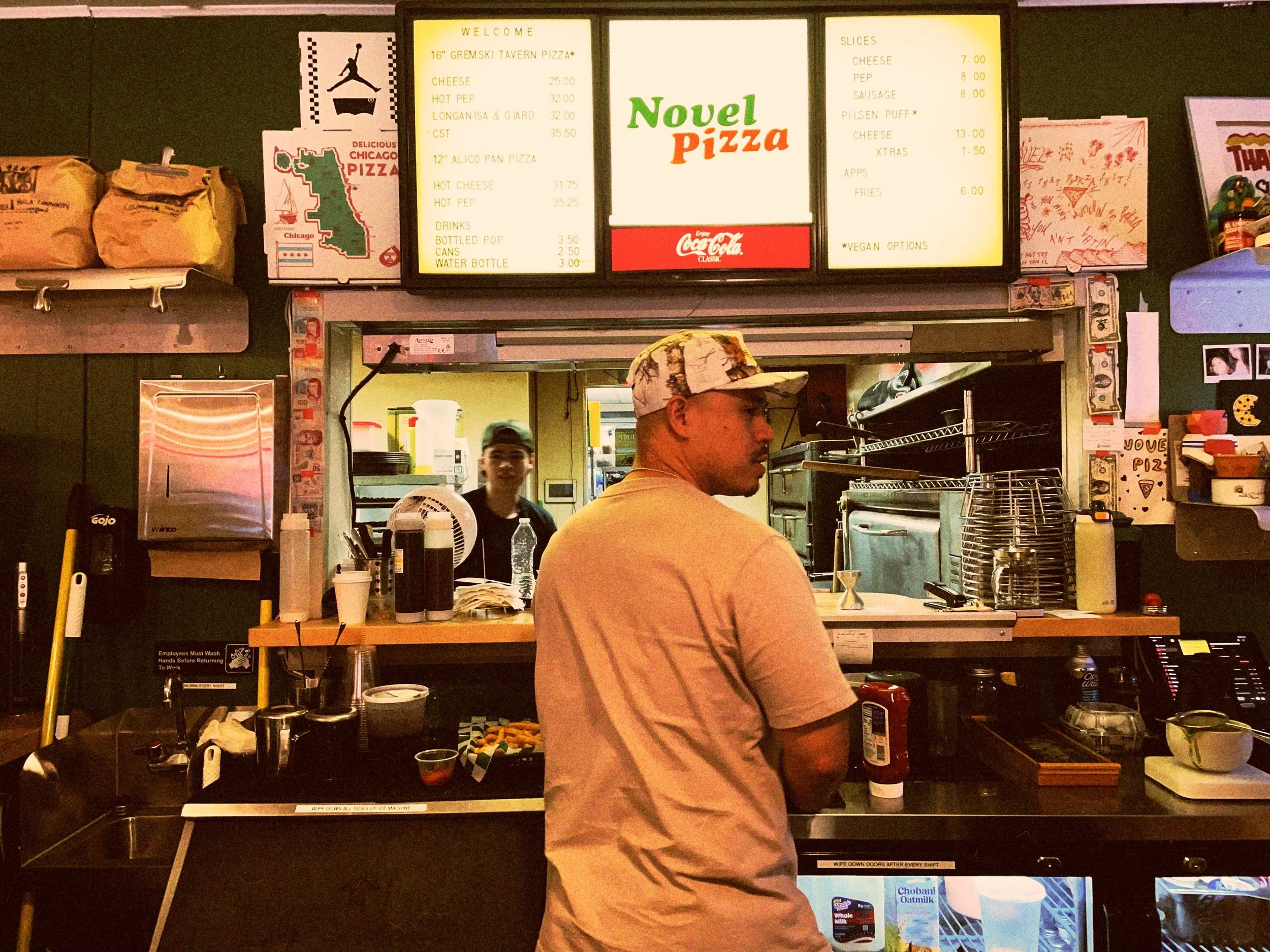
Novel Pizza reflects the neighborhood's newer creative energy while remaining deeply connected to its community. Serving pizza and an espresso drinks, this is the kind of place where artists, students, longtime residents, and first-time visitors find themselves sharing the same room. Good food and coffee has always brought people together, and Novel Pizza Cafe continues that tradition in its own way. A special shout out to staff and owners for being super attentive! Steps away to the Mexican American Museum… this is a must in Pilsen.
As Pilsen continues to evolve, it has been a privilege to witness the neighborhood during this moment in its history. As both a New Yorker and a Bostonian, I've watched neighborhoods I deeply loved transform through gentrification in ways that often left them feeling more polished than personal, more marketable than lived-in. I was ultimately priced out of New York more than two decades ago and Boston about a decade later. Because of those experiences, I can't help but hope that the people who made Pilsen, Pilsen are given every opportunity to remain part of its future. Neighborhoods are more than buildings—they are living archives of the families, artists, workers, and traditions that give them meaning. My hope is that Pilsen's next chapter is written with those communities at its center, preserving the neighborhood's character while ensuring its future remains shaped by the people who have always called it home. ◼️
A Note from the Author As this neighborhood continues to evolve, I'd love to continue documenting its story. If you live in Pilsen or the greater Chicago area and have experiences, memories, insights, or perspectives on the changes happening in the neighborhood, I'd love to hear from you. Whether you're a longtime resident, a business owner, an artist, an organizer, or someone with a story to tell, please send me a message. Community voices are essential to understanding how neighborhoods change, and I hope this article is only the beginning of that conversation.