
Even Spirits Bleed: Footwork Under the Veil
Words and Original Artwork By:
Rosa Delia Mendoza
A visual and philosophical companion to Uoglobe's Even Spirits Bleed, exploring the afterlife of sound through footwork, spirituality, and the enduring power of memory.
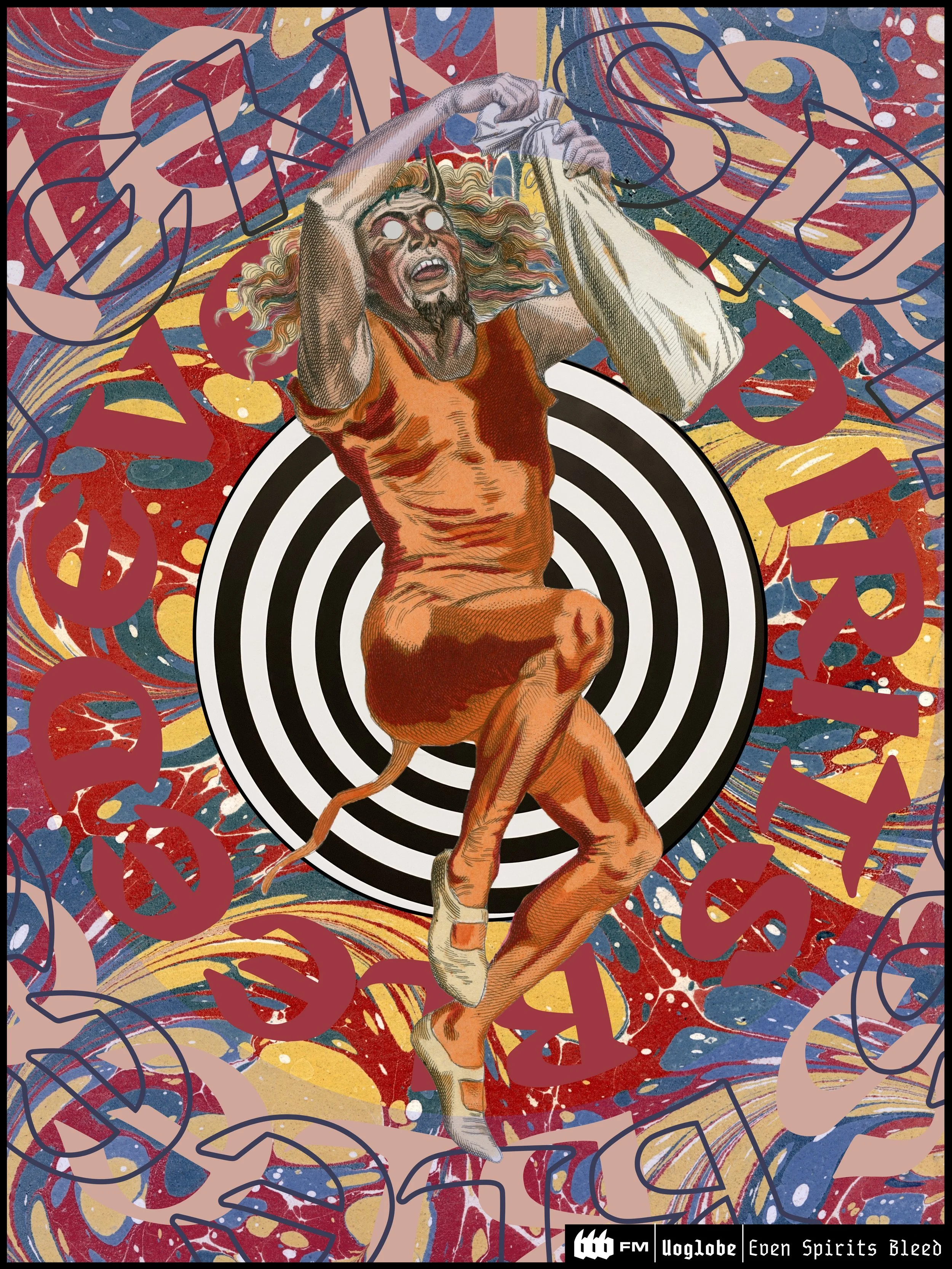
Since the beginning of human history, we've buried our dead with flowers, coins, songs, weapons, food, and prayers. Long before we built cities, we had already imagined worlds beyond this one. Every civilization has wrestled with the same impossible questions: What happens to us after we're gone? And perhaps more importantly, are the dead ever truly gone?
When Uoglobe first shared the title of his most recent mixtape, Even Spirits Bleed, I was immediately drawn into one of my lifelong fascinations: the unseen dimensions that shape human experience. Through its production, spiritual motifs, and carefully curated samples, the project invites us to consider whether death is truly an ending—or simply another medium through which memory, sound, and spirit continue to exist.
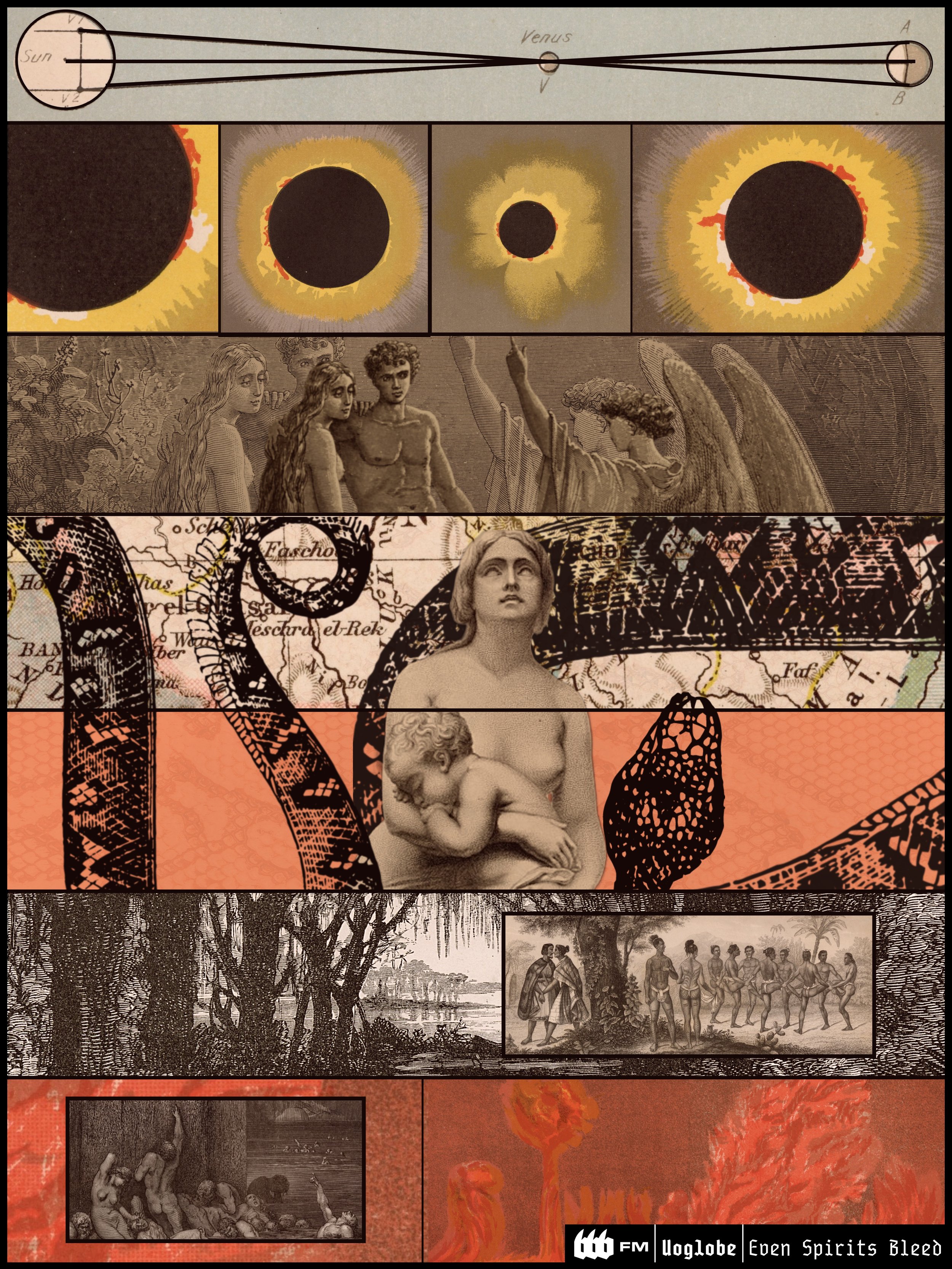
Rather than offering answers, Even Spirits Bleed creates an atmosphere where those questions can linger. It does so through the ruthlessly kinetic language of footwork—a genre built on speed, repetition, fragmentation, and transformation.
Sonically, the project inhabits a liminal space where brutality and vulnerability continually exchange places. The lower frequencies carry an almost gravitational force, channeling the relentless momentum and physical intensity that have long defined footwork. Above them, fractured melodies, spectral vocal samples, and fleeting moments of harmony create the sensation that something sacred is attempting to emerge from beneath the weight of violence.
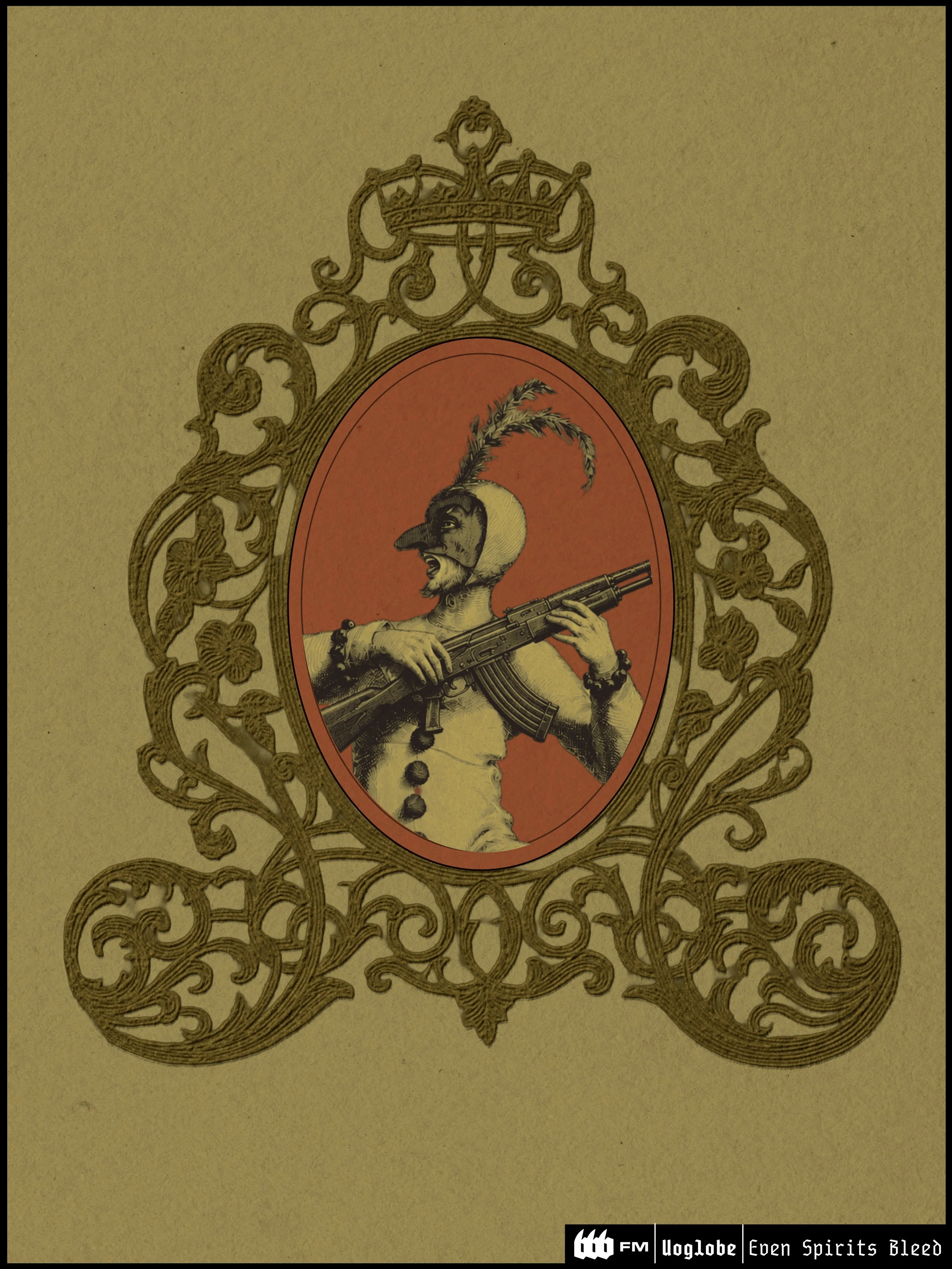
Listening to the mixtape, I found myself thinking less about the battle between good and evil and more about the uncomfortable truth that both often occupy the same being. There are moments when compassion seems to speak through darkness, and others when violence itself sounds as though it is pleading to be understood before judgment is passed.
At first glance, the phrase Even Spirits Bleed presents a contradiction. We often imagine spirits as untouchable—eternal, immaterial, beyond pain. Yet across cultures, humanity has imagined that something essential survives death. Whether understood through ancestors, reincarnation, heaven, or memory, countless traditions share a common intuition: something of us remains.
Perhaps spirits don't bleed because they possess bodies. Perhaps they bleed because they leave impressions that outlive them—in the songs we replay, the photographs we refuse to throw away, the voicemails we cannot bring ourselves to delete, or the memories we revisit years after someone is gone, whether through death or distance.
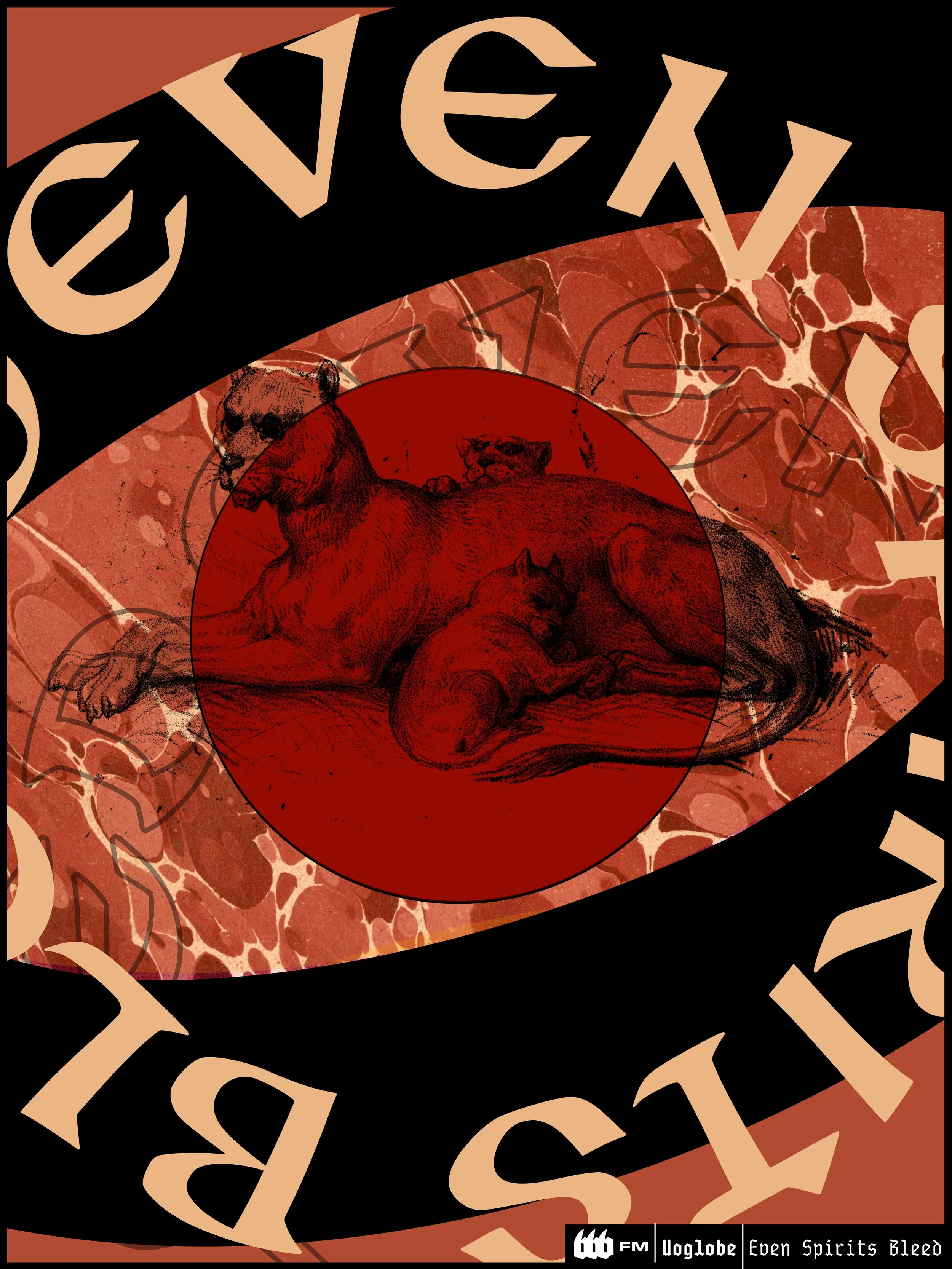
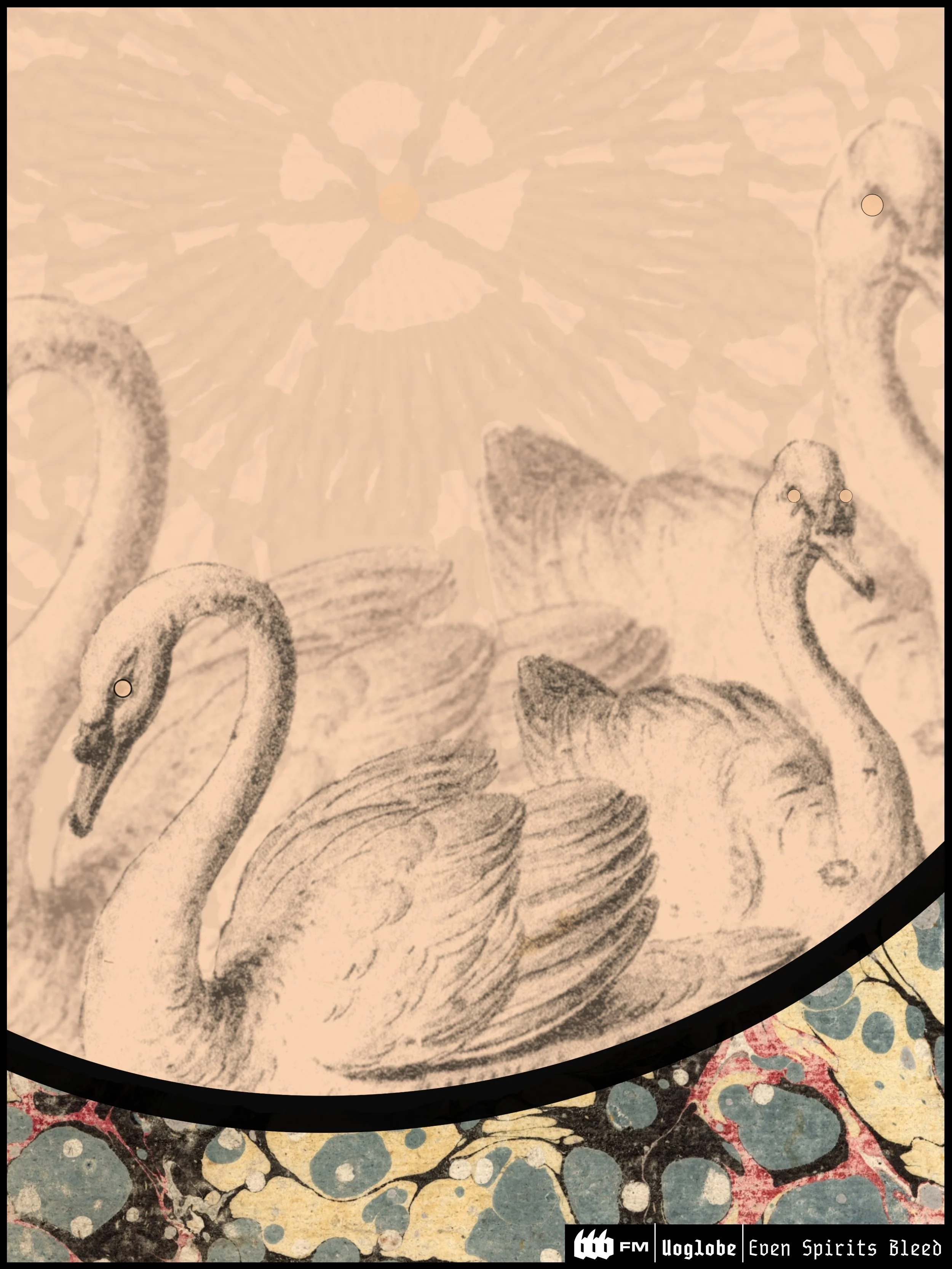
Maybe remembering is where spirit bleeds and no musical tradition embodies this more powerfully than hip-hop. Every sample is an act of preservation and transformation—a conversation between generations. Old recordings become living archives, carrying voices into the future while allowing new artists to reinterpret the past. In that sense, sampling is more than a production technique; it is a philosophy of remembrance.
Even Spirits Bleed is more than a mixtape. It is a meditation on what survives us. It suggests that while our bodies may disappear, our vibrations continue to move through memory, ritual, art, and sound. Like the spirits its title evokes, the music refuses to remain in the past. It lingers, returns, and asks to be heard again.
If Even Spirits Bleed is your introduction to footwork, there are few better places to begin.
Born on Chicago's South and West Sides, footwork is one of hip-hop's most inventive descendants—a genre where relentless rhythms, chopped samples, and impossible tempos collide with dance, competition, and community. Its sound is uncompromising, yet beneath its speed lies an extraordinary sensitivity to memory. Every sample carries history. Every loop preserves a fragment of another era. Every track demonstrates that music has always found a way to keep people alive long after their physical voices have fallen silent and their bodies have stopped dancing.